How National Junk Removal Franchises Compare to Local Junk Removal Companies

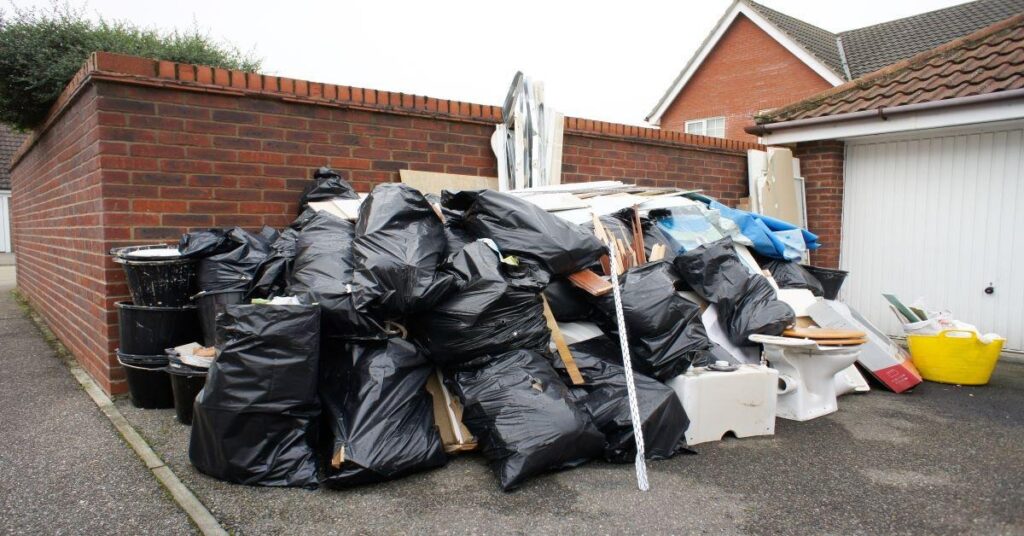
When it’s time to clear out clutter, homeowners and businesses have plenty of options. Two common choices are national junk removal franchises and local junk removal companies. Both get the job done, but they differ in several key ways. 

Difference Between National Junk Removal and Local Companies

Understanding these differences can help you choose the right service for your needs, budget, and expectations. Need help? Contact 1800 GOTJUNK Removal.

Brand Recognition and Consistency

National franchises often come with recognizable branding and a standardized approach. Because they operate in multiple cities and states, they follow consistent procedures, pricing structures, and customer service guidelines. This consistency reassures customers who value uniformity and predictability.

In contrast, local junk removal companies may vary widely in how they operate. Service quality can depend on the individual owner’s experience, team size, and regional market. While this can lead to excellent customer care, it may feel less predictable than a national brand.

Pricing Structures and Transparency

Pricing is one of the first differences people notice. National franchises often use set pricing tiers based on truck load sizes, which helps simplify estimates. These tiered prices can make it easier to budget for junk removal without surprises.

Local companies, on the other hand, may offer more flexible pricing tailored to specific jobs. Because they are independent, they can adjust costs based on the unique needs of each customer, including the type of items, location, and disposal requirements. This flexibility sometimes results in lower overall costs.

Personalized Service and Local Knowledge

Local junk removal companies often excel in personalized service. They build relationships within the community and take extra care to meet individual customer needs. Because they live and work nearby, local teams understand neighborhood regulations, disposal facilities, and charitable organizations that accept donations.

While national franchises provide reliable service, their teams may rotate between service areas rather than operate exclusively within a single community. This can affect how well they understand local disposal rules or community partnerships.

Scale and Resources

National franchises usually have more extensive resources. They can deploy larger fleets, additional manpower, and advanced equipment when needed. This scalability proves helpful for large projects, commercial cleanouts, or time-sensitive jobs.

However, local companies often compete by offering flexibility and quicker adjustments. If you need to reschedule, customize your service, or communicate directly with decision-makers, local operators can often accommodate you more easily than a larger corporate structure.

Customer Support and Follow-Up

National franchises often offer standardized customer support, including online booking tools, clear communication procedures, and formal complaint resolutions. These systems help ensure quick responses and consistent service.

Meanwhile, local companies may excel in personal follow-up. You might speak directly with the owner, receive customized reminders, or enjoy more attentive communication throughout the process. For many customers, this personal touch enhances the overall experience.

Conclusion: Difference Between National Junk Removal and Local Companies

Both national junk removal franchises and local junk removal companies offer valuable services, but they differ in consistency, pricing, personalization, scale, and community connection. If you value standardized service and broad resources, a national franchise may be right for you. Alternatively, if you prefer personalized care, local community ties, and flexible pricing, a local company might be the best fit. Ultimately, understanding these differences helps you choose the service that aligns with your needs and gives you peace of mind during your cleanout project.

How Florists Help Businesses Enhance Their Space with Floral Designs

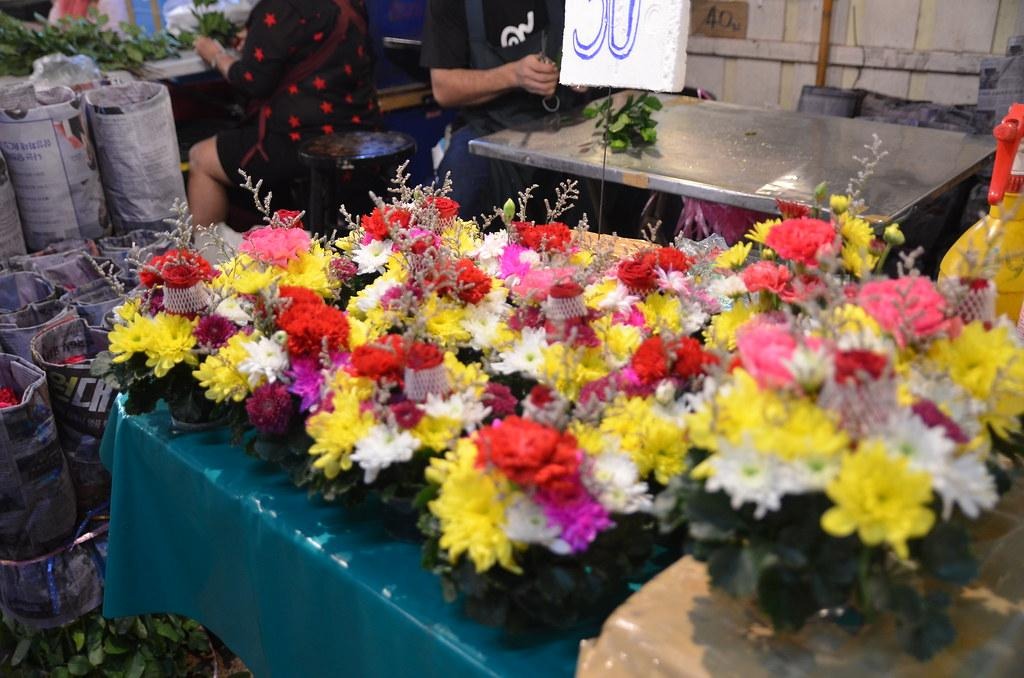
Floral design is not just for weddings and special events. More businesses now use professional floral services to elevate their spaces and create welcoming environments. From offices and hotels to retail stores and restaurants, florists play an important role in shaping how customers and employees experience a space. 

How Businesses Can Improve Their Space with Floral Designs

By combining design expertise with an understanding of branding and functionality, a florist Rochester hills helps businesses make strong visual impressions that last.

Understanding a Business’s Brand and Atmosphere

To begin with, florists take time to understand a business’s identity. They look at brand colors, company culture, and the type of impression the space should create. For example, a corporate office may need clean, minimal arrangements, while a boutique hotel might benefit from bold and artistic floral displays.

Once florists understand these goals, they design arrangements that align with the business’s image. This thoughtful approach ensures the flowers feel intentional rather than decorative extras.

Designing Floral Arrangements for Different Commercial Spaces

Next, florists adapt designs based on how each space functions. Lobbies often need statement arrangements that grab attention, while conference rooms benefit from subtle pieces that enhance focus without distraction. Retail counters may use compact designs to add warmth without taking up valuable space.

By tailoring designs to each area, florists help businesses maintain visual consistency while serving practical needs. As a result, flowers enhance the space instead of overwhelming it.

Using Flowers to Influence Mood and Customer Experience

Flowers have a powerful impact on mood, which makes them valuable in commercial environments. Florists select colors, textures, and flower types that influence how people feel when they enter a space. Soft tones can create calm and comfort, while vibrant colors encourage energy and excitement.

In addition, seasonal flowers help spaces feel fresh and relevant throughout the year. This constant renewal keeps customers engaged and encourages repeat visits.

Offering Ongoing Maintenance and Rotation Services

Beyond design, florists also provide maintenance services that keep arrangements looking their best. Fresh flowers require proper care, and busy businesses often lack the time or expertise to manage them.

Florists handle regular replacements, watering, and seasonal updates. This service ensures displays always look polished and professional. Over time, this consistency reinforces a business’s attention to detail.

Supporting Branding and Marketing Efforts

Floral designs can also support branding and marketing strategies. Florists often create custom arrangements for product launches, promotions, and special events. These designs draw attention and encourage customers to engage with the space.

Furthermore, visually appealing floral displays often appear in social media photos and online reviews. This organic exposure helps businesses strengthen their brand image without additional advertising costs.

Adapting Designs for Special Events and Corporate Occasions

Finally, florists help businesses stand out during special occasions. Whether it’s a grand opening, holiday celebration, or client appreciation event, custom floral designs add a sense of occasion and professionalism.

Florists work closely with business owners to ensure designs match the event’s purpose and audience. This flexibility allows businesses to make strong impressions during important moments.

Conclusion: How Businesses Can Improve Their Space with Floral Designs

Professional florists do far more than arrange flowers. They help businesses enhance their spaces, influence customer experiences, and reinforce brand identity through thoughtful floral design. By combining creativity, strategy, and ongoing care, florists turn everyday commercial spaces into inviting environments that leave lasting impressions.